2026 Speakers
See 2025 Speakers.
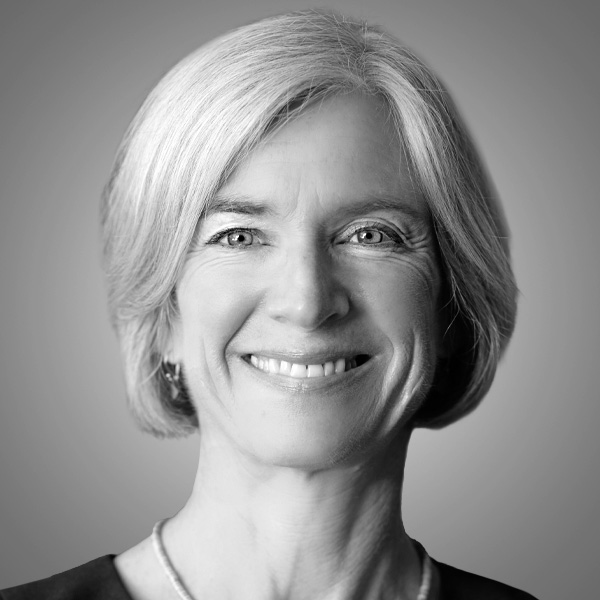
Jennifer Doudna, PhD

David A. Sinclair, A.O., Ph.D.
Professor Sinclair’s pioneering work in genetics and aging biology has fundamentally shaped the world’s understanding of mechanisms of aging and age-related diseases. He is best known for his research on the molecular biology of aging, particularly the role of sirtuins, NAD+ metabolism, and epigenetic changes in regulating the aging process. In 2020, the Sinclair Lab reported successful use of cellular reprogramming to safely reverse aging in mammals, which they showed could cure blindness in animal models.
Professor Sinclair served as Founding Director of the Glenn Center for Biology of Aging Research at Harvard Medical School from 2005 – 2023 and has published over 200 peer-reviewed scientific articles that have been cited over 110,000 times. He is the inventor on more than 50 patents and has co-founded over a dozen successful companies including MetroBiotech, EdenRoc Sciences, Fully Aligned Company, and Life Biosciences.
Professor Sinclair is the New York Times bestselling author of Lifespan: Why We Age-And Why We Don’t Have To, with over 1 million copies in global circulation across 38 languages, and the host of Lifespan with Dr. David Sinclair, a #1 show on Apple that provides health and science education.
Among over 35 career awards, Professor Sinclair has been recognized as one of TIME Magazine’s 100 Most Influential People in the World, one of TIME’s 50 Most Influential People in Health Care, received the Pioneer Award from the Director of the NIH, The Noble Genius Prize from The World Forum, and was appointed by Queen Elizabeth’s representative as Officer of the Order of Australia (A.O.) for “distinguished service to medical research into the biology of ageing and lifespan extension, as a geneticist and academic, to biosecurity initiatives, and as an advocate for the study of science.”
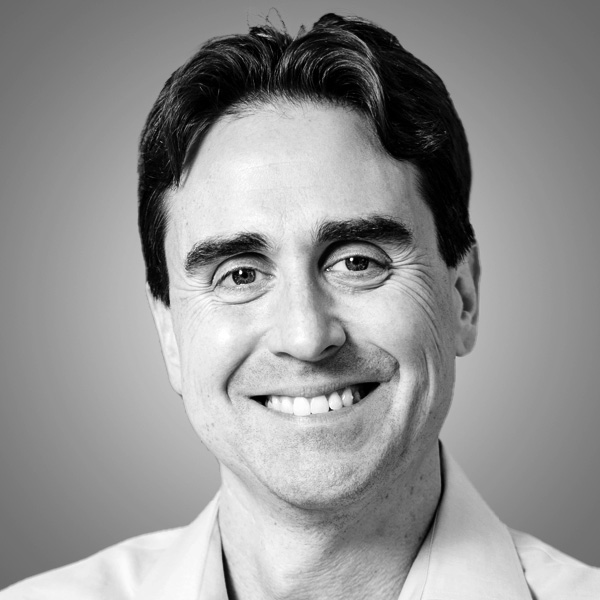
Dr. David Kirtley

Michelle Rozo

Thomas Oxley
Professor Thomas Oxley MBBS BMedSc FRACP PhD is a vascular and interventional neurologist and world expert in brain computer interfaces. Dr Oxley is the founding CEO of Synchron, a neurotechnology company based in New York City, having raised over USD$345 million in capital. Synchron is a clinical stage company developing an endovascular implantable brain computer interface, Stentrode. The Synchron BCI is a minimally invasive brain implant for people with debilitating medical illnesses designed to restore autonomy by reconnecting them online in ways that can dramatically improve their lives.
He is a Clinical Instructor and Director of Research and Development at Mount Sinai. Attending in the Department of Neurosurgery, Mount Sinai Hospital, New York City. Dr Oxley has performed over 1600 endovascular neurosurgical procedures, including cerebral aneurysm coiling and clot retrievals in acute stroke. Dr Oxley has published over 120 internationally peer reviewed articles in journals including JAMA Neurology, Nature Biotechnology, Nature Biomedical Engineering, New England Journal of Medicine and The Lancet. He has over 100 patents filed. He is also Professor of Medicine, University of Melbourne, Australia.
In 2023, Dr Oxley and Synchron completed enrollment in an FDA-approved clinical trial on the Stentrode motor neuroprosthesis that is paving the way towards first FDA marketing approval for an implanted brain computer interface, bringing the total number of patients implanted with the system to 10 worldwide.
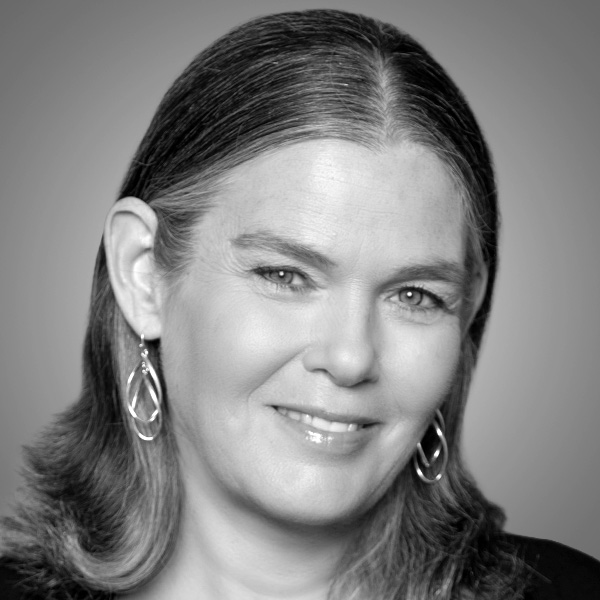
Daphne Koller
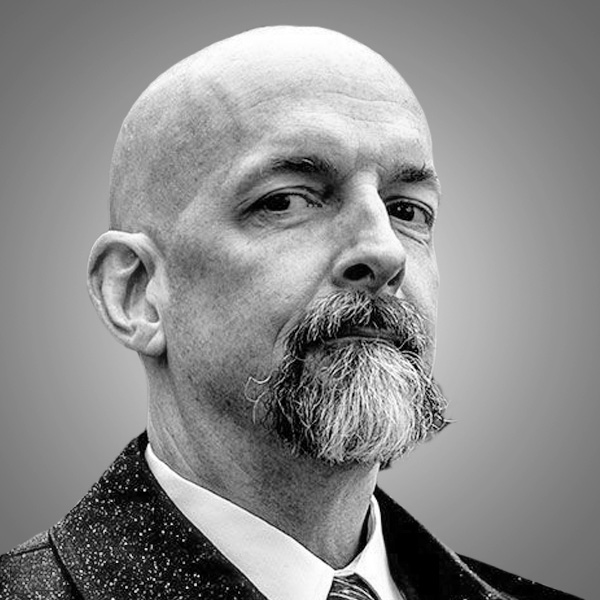
Neal Stephenson

Mike Schroepfer
As Meta's CTO, he scaled products to billions of users, shipped millions of units of consumer hardware, constructed tens of millions of square feet of data centers, built teams of up to 35,000, and made breakthroughs in artificial intelligence. He’s currently a Senior Fellow focused on AI and developing technical talent.
Schrep’s philanthropic work includes Additional Ventures, the Carbon-to-Sea Initiative, and Outlier Projects, which funds grants aimed at accelerating climate science and policy responses to the climate crisis. He’s a Stanford computer science graduate, led engineering at Mozilla, founded a company acquired by Sun Microsystems, and is a decent skier and mediocre surfer.
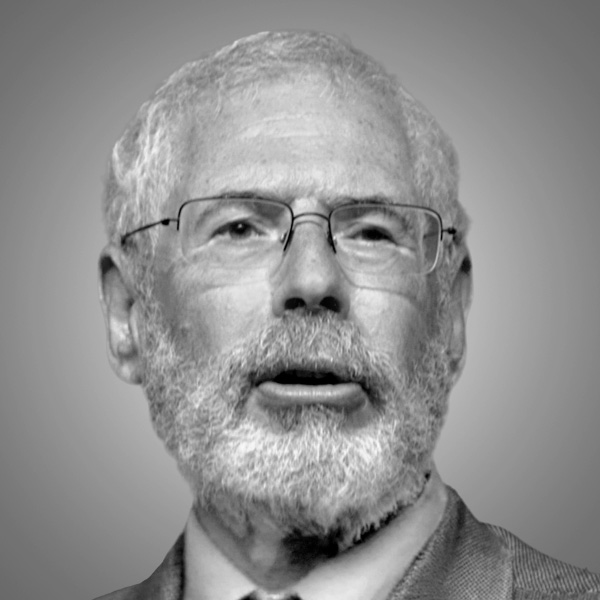
Steve Blank
Steve Blank is an Adjunct Professor at Stanford and co-founder of the Gordian Knot Center for National Security Innovation. He has been described as the Father of Modern Entrepreneurship.
Credited with launching the Lean Startup movement and the curriculums for the National Science Foundation Innovation Corps and Hacking for Defense and Diplomacy, he’s changed how startups are built; how entrepreneurship is taught; how science is commercialized, and how companies and the government innovate.
Steve is the author of The Four Steps to the Epiphany and The Startup Owner’s Manual which revolutionized how startups were built. His Harvard Business Review cover story redefined how large companies can innovate at speed. Steve blogs at www.steveblank.com.

Dr. Jesse Jenkins

Matthew Ocko
Matt is a technology entrepreneur and venture capitalist who has been building tech to advance the security and prosperity of the United States since 1983. He is Co-Founder and Co-Managing Partner of DCVC, the leading Deep Tech venture capital firm, with multiple billions of dollars across its family of funds focused on America’s resilience and economic and national security.
Matt’s current investments on behalf of the firm span from national resilience in energy, manufacturing, and agriculture, to computational drug discovery and synthetic biology, to geospatial and space access platforms, to robotics and applied AI, to defense and anti-terror systems, to quantum systems from quantum sensing to quantum computers, and to large-scale advanced compute and enterprise-focused platforms. Many of Matt’s prior investments were in companies that either enjoyed large IPOs or were acquired to become core capabilities of companies like Illumina, Cisco, Google, IBM, Amazon/AWS, Broadcom/VMware, Salesforce, and Akamai. His venture investments prior to DCVC include Zoom (ZM), Fortinet (FTNT), D‑Wave Systems (QBTS), Uber (UBER), AngelList, Xensource (CTRX), and Facebook (FB). Matt founded and was VP of R&D of Da Vinci Systems, a pioneering email software vendor with over 1 million users world-wide prior to its acquisition.
Matt holds a degree in Physics from Yale University, and he is an inventor on over 50 granted or in-process patents in areas as diverse as computer systems virtualization, fraud detection, and AR. Matt has spent decades helping to ensure the engines of American innovation are available to national security missions and is known across the federal government for his proactive investment in capabilities needed for the missions of the future. He is an advisor to (and through his firm, frequent co-investor with) In-Q-Tel, a longtime member of and advisor to BENS (Business Executives for National Security), a founding sponsor of and advisor to the Defense Intelligence Memorial Foundation, and a frequent pro-bono advisor to senior staff of America’s defense and national security-related agencies, interagency committees on select technology and policy matters, and Congressional committees.
He still writes code and builds robots for fun with his kids, but admits to liking Erlang better than Clojure, and Fischertechnik better than Lego Mindstorms.

Gregory Verdine, PhD
Gregory Verdine is a pioneering scientist, educator, investor, and entrepreneur widely regarded as a founder of the field of chemical biology and one of the world’s leading innovators in new drug discovery. He is Founder, President, and CEO of LifeMine Therapeutics, Executive Chairman of VidaVinci, Erving Professor of Chemistry and Harvard College Professor, Emeritus, at Harvard University and Harvard Medical School, Managing General Partner of LoLa Capital, and a Venture Partner at Andreessen Horowitz.
Over a distinguished career spanning more than three decades, Dr. Verdine has co-founded more than a dozen biotechnology companies—including Parabalis Medicines (formerly FogPharma), WaVe Life Sciences, Warp Drive Bio, Enanta Pharmaceuticals, Eleven Biotherapeutics, Variagenics, Tokai Pharmaceuticals, Aileron Therapeutics, and Gloucester Pharmaceuticals, acquired by Celgene—which collectively have brought multiple FDA-approved medicines to patients and advanced numerous new drug modalities into clinical development. He is credited with coining the phrase “drugging the undruggable” to describe his life’s mission: transforming previously intractable disease targets into treatable ones through bold scientific innovation.
Dr. Verdine earned his Ph.D. in chemistry from Columbia University, his B.S. in chemistry from St. Joseph’s University, and trained as an NIH postdoctoral fellow at MIT and Harvard Medical School. He is a Fellow of the Royal Society of Chemistry and the American Association for the Advancement of Science, and has received numerous awards and honorary degrees recognizing his groundbreaking contributions to science and medicine.
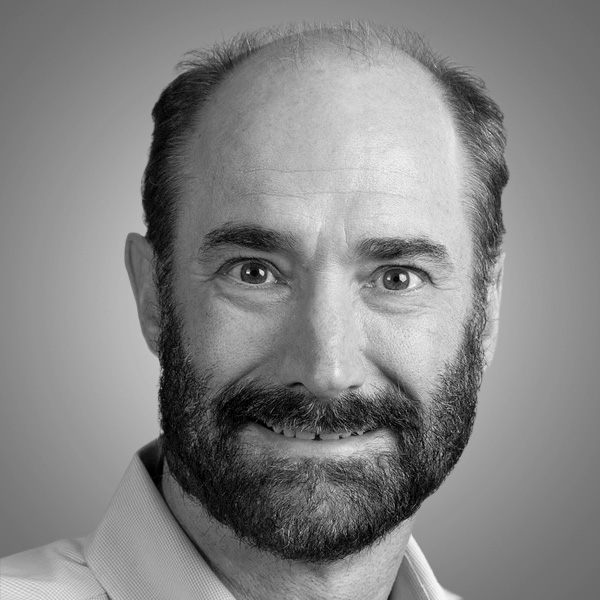
Michael Snyder
Michael Snyder is the Stanford W. Ascherman Professor and the Director of the Center for Genomics and Personalized Medicine. Dr. Snyder received his Ph.D. training at the California Institute of Technology and carried out postdoctoral training at Stanford University.
A pioneer of Precision Medicine, Dr. Michael Snyder has invented many technologies that enable 21st century healthcare, including systems biology, RNA sequencing, and protein chip technologies. He has led groundbreaking research in genomics, biotechnology, and personalized health, with a focus on how genetic variation and lifestyle affects individual health and disease, heralding a new and more effective approach to healthcare. Dr. Snyder initiated the big data approach to healthcare through his work using omics to detect early-stage disease, including wearables to detect infectious diseases like COVID-19, continuous glucose monitoring to subtype pre diabetes and at-home microsampling to measure hundreds of molecules from a single drop of blood. He also studies how people age, demonstrating that we all age differently. He is known for his pioneering deep data study where he was both a subject and researcher, which laid the groundwork for precision health and medicine. He is the first researcher to gather petabytes of data on individuals, which is 1 million - 1 trillion times more data than the average clinician collects. He has published over 1000 papers and is one of the most cited scientists.
Dr. Snyder's contributions to science have been recognized with numerous awards and honors, including election to the American Academy of Arts and Sciences. He is also a successful entrepreneur, having co-founded 19 companies (including 2 unicorns) with a combined enterprise value exceeding $6 billion.

Kelly Chen
Kelly has spent the last decade as a board member and investor in ambitious Physical AI founders globally. She is the Founder and Managing Partner of Physical World, a newly launched early stage venture fund backing Physical AI founders across supply chain, labor, aerospace, energy, and resilience.
Previously, she grew and launched some of US and Europe's largest deep tech specialist funds. She was an early partner at Silicon Valley-based DCVC through its growth to $4B AUM, where she led investments in robotics and industrial transformation. She was a Founding Partner of the $1B NATO Innovation Fund, a standalone early-stage fund backed by 24 nations, investing at the intersection of deep tech and resilience.
Earlier in her career, Kelly was a bond trader in New York, overseeing nearly $2B, where she first learned about portfolio discipline, contrarian bets, and how to speak on three phones at once. She holds dual engineering degrees from Columbia and an MBA from Wharton.

Morgan Stanton
Dr. Morgan Stanton is the CEO and founder of Opal Therapeutics, where she is building human uterine organoids to accelerate drug discovery, diagnostics, and target validation in women’s health. She has her Ph.D in Chemistry from WPI and completed her Postdoc at the Max Planck Institute. Previously, she served as Director of Discovery Biology at Herophilus, where she helped pioneer scalable brain organoid screening for drug discovery. Morgan is focused on advancing human-relevant models that unlock meaningful therapies in women's health.

Peter Barrett
Peter Barrett is best known today as co-founder and general partner of Playground Global. He believes the computing revolution—and arguably even the industrial revolution—hasn’t happened yet. He is drawn to the toughest challenges at the boundaries of deep tech and hard science.
Peter has been writing software since he was a teenager. At 19, his first security program caught the attention of the NSA. From his first company, Rocket Science Games, he’s had an adventurous career in technology from creating the first widely used video codec in the early 90s, building the world’s most popular IPTV platform at Microsoft, cloud intelligence for automotive at CloudCar, and now quantum and optical computing, robotics and artificial intelligence at Playground. He holds over 100 patents.
At Playground, Peter delights in the opportunity to deeply collaborate with entrepreneurs and help create transformative companies with multigenerational impact. He thrives on technologies that lie somewhere between improbable and impossible and companies whose success will help move civilization forward.

Peyman Salehian
Peyman is CEO of Allozymes, a deep-tech biotech company that uses microfluidics speed, large sequence dataset and AI to make novel enzymes. A repeat tech-entrepreneur with a PhD in Chemical and Biomolecular Engineering, he has spent over a decade translating lab innovations into commercial solutions. Currently he is unlocking access to the unknown protein space to create the next generation of enzymes for life science and material application.

John Diener

Elizabeth Onderko
Liz is the CEO and cofounder of Capra Chemicals. Liz and her co-founder founded Capra in 2020 after co-inventing the core modular manufacturing technology. She has raised >$7 M in venture funding over multiple fundraising rounds, overseen the build out of a 10,000 sq ft manufacturing facility, and has grown Capra to a team of 20. She has a PhD in Chemistry from Penn State and has a technical background in enzymes and synthetic biology.

Deborah Zajac
Deborah is a General Partner at SOSV NY. She has over 20 years of venture capital and startup experience in deep tech, healthcare, industrial, climate, and consumer solutions and worked with a dozen corporations on 15 venture funds.
Deborah is passionate about bringing innovation to market. Deborah helped scale Touchdown Ventures (now Cerity Partners Ventures), a multi-stage corporate venture capital firm, from 3 to 25 programs in 5 sectors of ag & food, healthcare, industrial, IT & media, and the built world, She co-founded Touchdown’s healthcare practice and 5 venture funds. Previously, she spent a decade at GE Ventures and GE’s research labs investing in, spinning out, building, and partnering with startups across deep tech, healthcare, industrial, energy, consumer, and digital. Deborah also worked with researchers at Columbia University, guiding advanced technology to market, backed by her operating and consulting experience at GE, Celarix, and Andersen.
Deborah served as an Exec-In-Residence at Columbia University Technology Ventures, trustee at Lehigh University, and founding advisor to the Baker Center for Creativity, Entrepreneurship, and Innovation among other roles. She earned her MBA from NYU Stern and BS and BA from Lehigh University as an Iacocca and Trustee Scholar. Deborah has appeared in the Wall Street Journal, Forbes, and on NASDAQ, is a regular conference speaker and corporate advisor on deep tech, healthcare, venture capital, innovation and entrepreneurship.

Antonio Regalado
Antonio Regalado is a senior editor for biomedicine at MIT Technology Review, where he covers emerging developments in biotechnology, medicine, and the life sciences. A veteran science and technology journalist, he previously worked as a science reporter at The Wall Street Journal and Latin America contributor for Science. His reporting has taken him around the world in search of breakthrough experiments in stem cells, cloning, and human embryology.

Dan Barouch

Meghan L. O'Sullivan
Meghan L. O’Sullivan is the Jeane Kirkpatrick Professor of the Practice of International Affairs, Director of the Belfer Center for Science and International Affairs, and Director of the Geopolitics of Energy Project at Harvard University’s Kennedy School.
Dr. O’Sullivan’s scholarship continues to be at the nexus of traditional disciplines, examining topics at the intersection of geopolitics, science, markets, and policy. Her work on large changes in the energy system has shaped how policymakers and academics alike view these issues. Her publications in this area include her award-winning 2017 book Windfall: How the New Energy Abundance Upends Global Politics and Strengthens America’s Power.
O’Sullivan has served in multiple senior policymaking roles and has advised national security officials in both Republican and Democratic administrations. She is the recipient of numerous awards for her public service, including the U.S. Defense Department’s highest honor for civilians (the Distinguished Public Service Medal) and the State Department’s Superior Honor Award (which she has received three times).
O’Sullivan was a member of U.S. Secretary of State Antony Blinken’s Foreign Affairs Policy Board. Between 2004 and 2007, she was special assistant to President George W. Bush and was Deputy National Security Advisor for Iraq and Afghanistan during the last two years of her tenure. In 2013, O’Sullivan was the Vice Chair of the All Party Talks in Northern Ireland. O’Sullivan also has extensive experience advising the private sector on geopolitical risk and in board leadership and advisory roles in non-profit organizations. She is a member of the Global Advisory Board of the strategic consulting firm Macro Advisory Partners, and is the Chair of the North American Group of the Trilateral Commission. O’Sullivan earned a bachelor’s degree from Georgetown University and a masters of science in economics and doctorate in politics from Oxford University. She was a Henry Crown Fellow from 2015 to 2017 and a Henry Luce Fellow in Indonesia from 1991 to 1992.
Vivian Qu
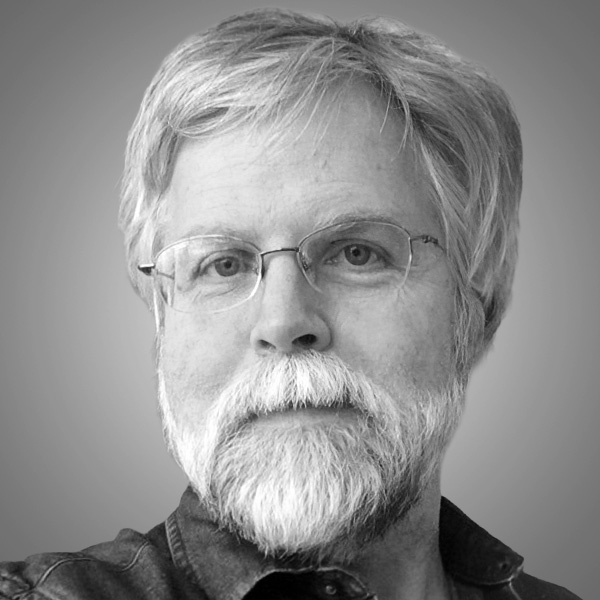
Derek Lowe
Derek Lowe has been involved in discovery research in the biopharma industry since 1989, when he joined Schering-Plough after finishing his PhD and postdoctoral work. He worked on CNS targets until moving to Bayer, where he concentrated on metabolic and oncology research. In 2007 he moved to Vertex, where he worked on antibacterial, antiviral, and oncology targets with a larger focus on new drug discovery technologies. Since 2017 he has been a director in the Exploratory Chemical Biology group at Novartis."
He is also well-known for his blog “In the Pipeline”, which has been running continuously since 2002 and which covers a variety of scientific, chemical, drug discovery, and pharma-industry topics.
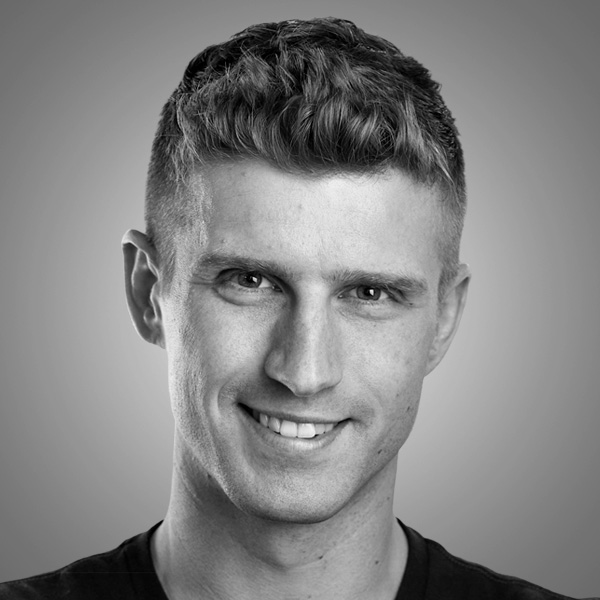
Ben Nowack
Ben is the Co-Founder and CEO of Reflect Orbital. He built fleets of airborne and underwater drones in middle school. In high school, he ran the “BenNBbuilds” science channel and built X-ray machines, superconductors, a photolithography system, a fusion reactor, and worked as an R&D contractor for NOAA, the Center for Coastal Studies, and prominent environmental activists. One spring break he built live-streaming underwater cameras to deter poaching at local reefs in Hawaii.
While in college he led development of multiple Crew Dragon propulsion validation systems at SpaceX, and appeared on the TV show MythBusters: The Search. Instead of returning to SpaceX for a third internship, Ben decided to work on consumer products. He was rapidly promoted from intern to Senior Engineer at a company developing foldable bike helmets with nonlinear anisotropic energy-absorbing metamaterials. Ben was working full time in China and New York with a full course load of classes in Boston. After finishing his degree, he was drawn back to the energy sector as Director of Engineering at a company embedding ruggedized electronics in Oil & Gas drill strings using rocket engine closeout technologies until they were acquired. Eager to solve drone delivery, Ben joined Zipline as the Responsible Engineer of the P1 zip launcher system, turning painstaking multi-week build procedures into sub-hour outsourceable assembly.
Reflect began with a simple thought: Could you build a company to transport sunlight from places it’s not needed to places that need it most? The answer was too obvious to ignore, so Ben left Zipline, partnered with his co-founder Tristan, and began building Reflect.

Mike Laufer
Dr. Mike Laufer is the Co-Founder and CEO of Kairos Power, a mission-driven nuclear technology, engineering, and manufacturing company working to enable the world’s transition to clean energy. In this role, Dr. Laufer is responsible for all business and technical operations within the company as it accelerates the delivery of safe, affordable advanced reactor technology to enable deep decarbonization and robust energy security.
Kairos Power has positioned itself as an industry leader with its pioneering strategy focused on rapid iterative development and in-house manufacturing to drive innovation and achieve cost certainty. Through this approach, the company has achieved several industry firsts, including receiving the first Gen IV reactor construction permit from the U.S. Nuclear Regulatory Commission, executing a multi- plant development agreement with Google, and signing the country’s first binding advanced nuclear power purchase agreement with TVA.
Prior to co-founding Kairos Power, Dr. Laufer was a postdoctoral scholar at the University of California, Berkeley, where his research focused on reactor safety, design, licensing, and code validation for advanced non-light-water reactors. His technical expertise includes experimental and discrete-element simulation methods for granular flows relevant to pebble-bed nuclear reactors. Dr. Laufer holds a B.S. in Mechanical Engineering from Stanford University, with Honors in International Security Studies, and a Ph.D. in Nuclear Engineering from the University of California, Berkeley.

Zachary Bogue
Zachary’s belief that the systems-level thinking integral to environmental science coupled with Deep Tech can help tackle many of our urgent real-world challenges led him to co-found DCVC in 2010. He brings to bear over 20 years in Silicon Valley as an entrepreneur, venture capitalist, adviser, and angel investor.
Zachary is Co-Founder of DCVC and Co-Managing Partner across its family of funds, and his current investments on behalf of the firm span computational drug discovery, nuclear energy, algorithmic finance, synthetic biology, geospatial informatics platforms, and applied AI for global-scale climate impact, including areas like methane abatement and carbon transformation.
The World Economic Forum has named Zachary a Young Global Leader in recognition of his leadership at the intersection of transformative technology and urgent global issues, and he is active in the Davos community, including his annual “Deep Tech in Davos” event.
Zachary’s previous venture investments include Square (SQ), AngelList, and Uber (UBER). Zachary received a bachelor’s degree with honors in environmental science and public policy from Harvard University and a JD with honors from Georgetown University’s law school, where he was executive editor for The Tax Lawyer. Zachary serves on the non-profit boards of the East Palo Alto Charter School and the Fine Arts Museums of San Francisco.
James J. Collins

Eric Ries
Over the last two decades, Eric Ries’s ideas about continuous innovation, long-term thinking, governance, and market reform have reshaped company building and management practices. He is the creator of the Lean Startup method, and the author of the New York Times bestsellers The Lean Startup, The Leader’s Guide and The Startup Way.
As a founder, he has put his own ideas into practice with The Long-Term Stock Exchange (LTSE); Answer.AI, an AI R&D lab; Virgil, a legal services startup; and IMVU. On The Eric Ries Show, he talks with world-class technologists, thought leaders, and executives building for the long-term. He lives in the San Francisco Bay Area with his wife and three children.

Dr. Seth Berkley
Medical doctor and infectious disease epidemiologist, Dr Seth Berkley is currently serving as an advisor and Board member to numerous health and technology companies and is an Adjunct Professor at the Pandemic Center at Brown University. He previously was CEO of Gavi, the Vaccine Alliance from 2011-23, co-created COVAX for access to COVID-19 vaccines for all countries, founded and was CEO of the International AIDS Vaccine Initiative (IAVI), was an officer of the Rockefeller Foundation and worked in Special Pathogens at the US CDC. He is the author of Fair Doses: An insider’s story of the pandemic and the global fight for vaccine equity as well as hundreds of articles.

Adam Khan
Adam Khan is a deep-tech entrepreneur, inventor, and engineering physicist dedicated to advancing diamond as the next foundational platform for high-performance electronics, photonics, and quantum systems. As Founder & CEO of Diamond Quanta, Adam leads a multidisciplinary team pioneering defect engineering and doping techniques that unlock new regimes of efficiency, reliability, and scalability in semiconductor materials.
Previously, Adam founded AKHAN Semiconductor, where he raised over $30MM; designed, developed, and built a CMOS-compatible diamond foundry (Diamond Mine-1); and led product development across optical, mechanical, and semiconductor device categories. His leadership turned laboratory breakthroughs into commercially viable products adopted by leading OEM partners.
Adam holds 38+ issued patents with dozens more pending, and his research has been featured by Forbes (30 Under 30), Bloomberg, the U.S. Congress, and the R&D 100 Awards. He collaborates actively with global academic and industrial leaders.
Adam’s mission is to realize the full potential of diamond in reshaping compute, sensing, and communication infrastructures, and to build enduring ventures at the leading edge of science and industry.
Jon Cohen
Jon Cohen is a senior correspondent with Science and has covered infectious diseases in more than 70 countries. He's written for several other publications, and is the author of five science-related books, including his latest, Planning Miracles: How to Prevent Future Pandemics. He also helped make an HBO documentary on the race to make COVID vaccines and TV stories about HIV/AIDS with PBS NewsHour. He has won several awards for print stories and two national Emmys for his broadcast work. Cohen has a degree in science writing from the University of California, San Diego.
Leif Jentoft
Leif leads Applied AI at Standard Bots, where he owns the path from AI research to deployed robots on the factory floor. Before Standard Bots, he cofounded RightHand Robotics, where he served as Chief Strategy Officer, opened the market for piece-picking robots, and built the business across three continents. Over 20 years, Leif's work has spanned logistics, agriculture, aerospace, construction, and manufacturing, with a consistent focus on developing cutting-edge robotics into transformative solutions to industry needs. He holds a PhD from Harvard.
Nicholas Olsen

John A. Rogers
John A. Rogers obtained BA and BS degrees in chemistry and in physics from the University of Texas, Austin, in 1989. From MIT, he received SM degrees in physics and in chemistry in 1992 and a PhD degree in physical chemistry in 1995. From 1995 to 1997, Rogers was a Junior Fellow in the Harvard University Society of Fellows. He joined Bell Laboratories as a Member of Technical Staff in 1997 and served as Director of the Condensed Matter Physics Research Department from 2000 to 2002. He then spent thirteen years on the faculty at the University of Illinois at Urbana/Champaign, finally as the Swanlund Chair Professor and Director of the Seitz Materials Research Laboratory. In the Fall of 2016, he joined the faculty at Northwestern University where he is Director of the Querrey-Simpson Institute for Bioelectronics. He has published ~1000 papers and he is co-inventor on ~100 patents, >70 of which are licensed and in active use by large companies and startups that he has co-founded. More than 170 former members of his group are now in faculty positions at the best universities around the world. His research has been recognized by many awards, including a MacArthur Fellowship (2009), the Lemelson-MIT Prize (2011), the Smithsonian Award (2013), the Benjamin Franklin Medal (2019), a Guggenheim Fellowship (2021), the James Prize of the NAS (2022), the IEEE Biomedical Engineering Award (2024) and the Bakerian Medal of the Royal Society (2025). He is a member of the US National Academy of Engineering, of Sciences, of Medicine and of Inventors, the American Academy of Arts and Sciences and the Royal Society.

Eric Brown
Eric Brown is the CEO of Planted, the autonomous power deployment company. Planted combines software, high-density solar arrays, storage, and field robotics to transform power plants from bespoke construction projects into manufactured products. The result is more power on less land in a fraction of the time.
Eric has spent his career bringing new energy technologies to commercial scale, including leadership roles at Cogenra (acquired by SunPower) and Carbon Lighthouse. His background spans solar, aerospace, and oil and gas engineering. He holds a degree in Mechanical Engineering from the University of Illinois Urbana-Champaign.

Jean Rémi King
Dr. Jean-Rémi King is Research Director at Meta’s Fundamental AI Research (FAIR) lab, where he leads a team investigating the computational principles underlying human intelligence.
His team develops deep learning methods to decode and model brain activity recorded through both non-invasive techniques, such as functional magnetic resonance imaging (fMRI), and direct intracranial recordings from patients undergoing clinical monitoring for epilepsy. This research aims to uncover the computational foundations of human intelligence and develop systems capable of decoding the neural representation directly from brain recordings.
Dr. King trained in artificial intelligence and cognitive neuroscience in the United Kingdom, first at the University of Hertfordshire and University College London, before returning to France to study at École Normale Supérieure and Université Pierre et Marie Curie. He completed his PhD under the supervision of Stanislas Dehaene and Lionel Naccache, studying the neural and computational bases of consciousness and exploring how these fundamental insights could inform the diagnosis of patients recovering from coma. Following a postdoctoral fellowship at New York University, he joined FAIR in 2018. He was subsequently appointed as a tenured researcher at the French National Centre for Scientific Research (CNRS) and École Normale Supérieure in Paris.
Dr. King has published numerous peer-reviewed articles in leading scientific journals, and his work has been recognized internationally, including with the William James Prize from the Association for the Scientific Study of Consciousness and a Global Marie Curie Fellowship.
More recently, Dr. King co-launched the Digital Brain Project, an open-source initiative focused on developing foundational AI architectures using large-scale neural datasets. By investigating points of convergence between artificial neural networks, including large language models, and human brain processing, the project seeks to advance biologically informed AI while opening new avenues for understanding, diagnosing, and ultimately restoring neurological function.

Jihong Kim
Jihong Kim is a Venture Capitalist at Samsung Ventures, where he leads strategic and financial investments across the AI, robotics, software and cybersecurity sectors. With a focus on bridging the gap between high-growth startups and Samsung’s global ecosystem, Jihong works closely with business units in mobile, consumer electronics, and enterprise software to drive strategic partnerships.
His extensive investment portfolio includes industry leaders such as Anthropic, Physical Intelligence, Walden Robotics, Cartesia AI, and Xbow. Jihong has a proven track record of identifying winners, with noteworthy exits including SentinelOne (NYSE: S), Couchbase (NASDAQ: BASE), and BigCommerce (NASDAQ: BIGC), as well as high-profile acquisitions: Nozomi Networks (Mitsubishi), Raxium (Google), Fetch Robotics (Zebra Technologies) and ClassPass (Mindbody).
Prior to Samsung Ventures, Jihong was a research analyst for a global long-short equity hedge fund and a management consultant at PwC. He began his career as a member of technical staff at Lucent Technologies and held technical roles at early-stage startups. Jihong holds a B.S. in Electrical Engineering and Computer Science from UC Berkeley and an MBA from the Haas School of Business.

Milo Werner
Milo’s blend of investment insight and hands-on industry experience equips her to effectively identify promising climate technologies and guide them from concept to commercialization. Her investment background includes partner positions at MIT’s The Engine, Ajax Strategies, and Khosla Ventures, while her operational experience is highlighted by her tenure at Tesla, where she contributed to bringing innovative electric vehicles to market, and at Zola, a solar-battery startup providing distributed energy to over a million families in Africa. She holds a bachelor’s degree in geology and civil & environmental engineering from the University of Vermont, and a master’s degree in civil engineering and an MBA from the Massachusetts Institute of Technology.
Leveraging her extensive industrial experience, Milo founded The NextGen Industry Group to support companies commercializing advanced manufacturing technologies. The group brings together leaders, operators, industry experts, and capital providers to develop thought leadership and best practices in manufacturing strategy, capital stack construction, industrial policy, and strategic partnerships.

Alex Morgan
Alex Morgan (X: @genomicsdoc) is currently a Partner at Khosla Ventures, a Silicon Valley venture capital firm which invests broadly in technology from seed stage funding to later stage capital. Alex has a special focus in biotechnology, healthcare, data science, and AI/ML and serves on the boards of a number of Khosla Ventures portfolio companies. Alex has an MD and PhD in biomedical informatics from Stanford. As a scientist, he has published over 50 scientific publications, primarily at the intersection of computer science, biology, and healthcare, and has licensed IP to three separate companies. Prior to working in venture capital, Alex was involved with a number of startups, and worked as a senior artificial engineer for the MITRE Corporation.

Albane Dersey
Albane Dersy is co-founder and COO of Inbolt, the robot intelligence company giving robots real-time perception to reduce automation cost and improve flexibility.
Founded in 2019 by three students, Inbolt now runs on production lines at manufacturers including Stellantis, GM, Ford, Renault, Volkswagen, Toyota, Airbus and Whirlpool, with deployments in more than 100 factories across Europe, the US and Japan, and offices in Paris, Detroit and Tokyo. Inbolt's work in Detroit, retrofitting robots with their intelligence to reduce downtime was recently featured in The New York Times.
As COO, Albane has led Inbolt's growth from a three-person idea to a global operation, including its $30M total funding, with participation from SOSV. She was named one of the International Federation of Robotics' "10 Women Shaping the Future of Robotics" in 2025. Before Inbolt, she worked in M&A at Goldman Sachs. She holds a master's from HEC Paris and École Polytechnique and studied at UC Berkeley.

Alex Higginbottom

Dr. Shebani Sethi
Dr. Shebani Sethi is a physician-scientist, dual board-certified in Psychiatry and Obesity Medicine, and the Founder and CEO of Metabolic Psychiatry Labs. Widely recognized as a pioneer in Metabolic Psychiatry, a field she coined in 2015, she is advancing a more integrated approach to mental healthcare that recognizes the biological connection between metabolic and mental health.
At Stanford University School of Medicine, where she is a Clinical Associate Professor of Psychiatry and Behavioral Sciences, Dr. Sethi founded Stanford’s Metabolic Psychiatry Clinical Program, the first academic clinical program of its kind dedicated to integrating metabolic health into psychiatric care. She has published over 20 research papers in highly respected international peer-reviewed journals, including Nature Mental Health and Biological Psychiatry, and has led research exploring metabolism based mental health approaches such as ketogenic metabolic therapy and metabolic medications.
Through Metabolic Psychiatry Labs, Dr. Sethi is translating this science into accessible, personalized, and integrated care. She has delivered more than 60 endowed and invited lectures worldwide, including Harvard University, Washington University, Mayo Clinic, the American Psychiatric Association, and the Schizophrenia International Research Society, and has been featured in more than 100 press and media features, including The New York Times, The Washington Post, NPR, Good Morning America, and People.
Her vision is to help people achieve sustainable mental health, improve metabolic and functional health, enhance quality of life, and ultimately live healthier lives with the freedom to pursue their dreams and passions.

Nick Gillian
Nick is the CTO at Archetype AI, bringing 15+ years of experience in driving innovation and productization of AI and interaction technology. Before Archetype AI, he led machine learning research at Google's Advanced Technology and Projects group, contributing to award-winning products like Soli, Jacquard, and Pixel. Nick was a Postdoctoral Associate and Fulbright Scholar at the MIT Media Lab, completed his Ph.D. in machine learning for real-time gesture recognition in 2011, and has published in top journals and conferences across machine learning and HCI, such as the Journal of Machine Learning Research, SIGGRAPH, UIST, CHI, and Nature.

Mike Flanigan
Mike Flanigan is the co-founder and CEO at Seasats, a San Diego–based leader in long-range unmanned surface vehicles (USVs). He has worked with the US Navy, Marine Corps, and commercial entities around the world to help them leverage USVs. Mike holds degrees in Mechanical Engineering from Notre Dame and Computer Science from the University of Colorado Boulder.
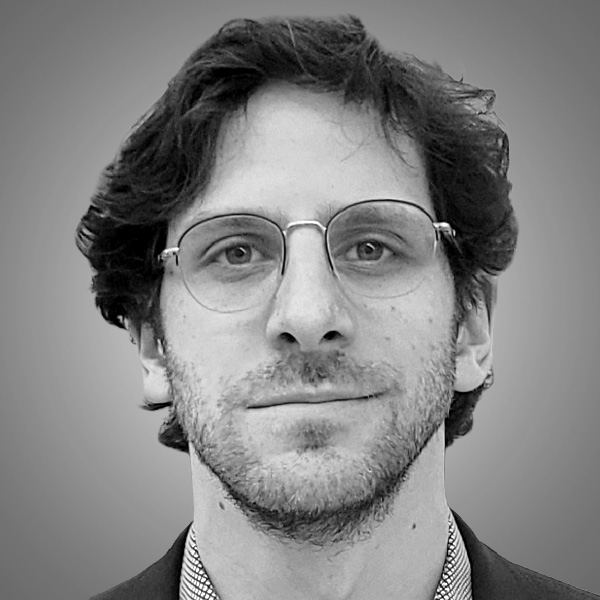
Marcel Frenkel, PhD

Alex Oshmyansky MD, PhD
Alex Oshmyansky is the co-founder and CEO of the Mark Cuban Cost Plus Drug Company, which he launched to combat the rising costs of generic drugs for patients.
Before co-founding Cost Plus Drugs, Alex previously served as a Consulting Assistant Professor of Radiology at Stanford University and continues to practice as an emergency radiology physician. Alex earned a BA in Biochemistry from the University of Colorado at Boulder at just 18, followed by an MD from Duke University and a PhD in Mathematics from Oxford University as a Marshall Scholar. He completed a surgical internship at Harvard as well as a residency in diagnostic radiology and a pediatric radiology fellowship at Johns Hopkins.
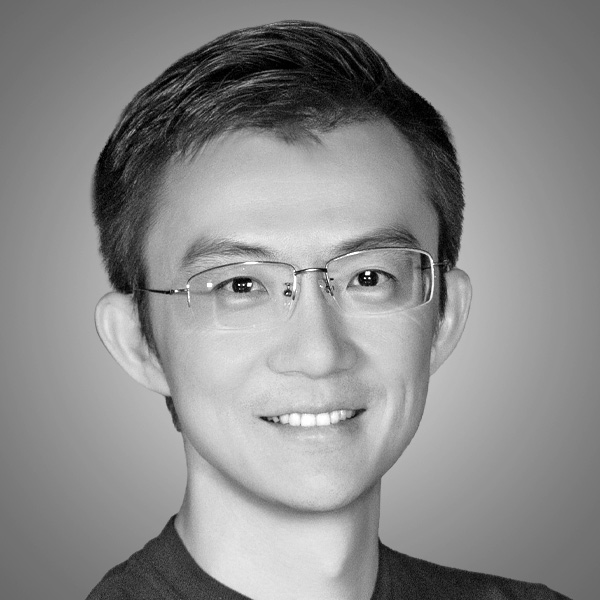
Xiaodi Hou
Dr. Xiaodi Hou is the Founder and CEO of Texas autonomous trucking company Bot Auto. He holds a Ph.D. in Computation and Neural Systems from the California Institute of Technology and a Bachelors of Engineering in Computer Science from Shanghai Jiao Tong University. Hou co-founded TuSimple in 2015, serving as CTO and later CEO, leading the company to become a pioneer in self-driving truck technology. With over a decade of leadership at the forefront of autonomous vehicles, AI, and computer vision, he is a sought-after public speaker on the topics of physical AI and the future of transportation. Hou has recorded major business success in his ventures, including accomplishing the delivery of America’s first fully humanless commercial truckload in 2026.
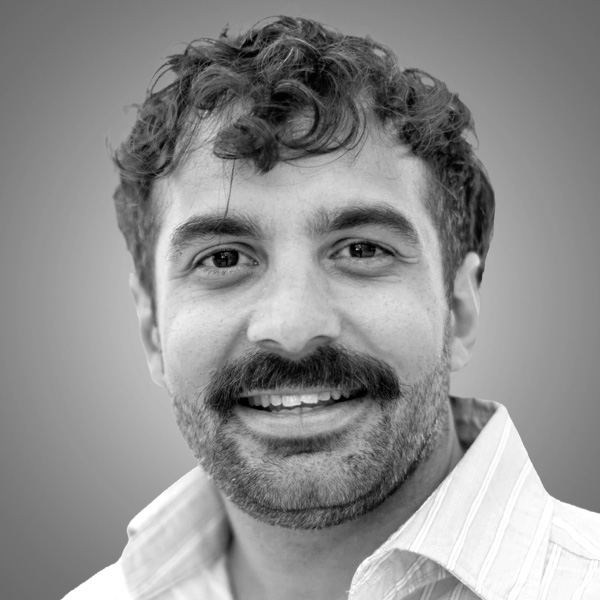
Daniel Situnayake
Daniel Situnayake has spent his career working at the intersection of computing and the physical world. As Director of Applied Research & Edge Al at Edge Impulse (a Qualcomm company), he leads R&D on building Al developer tooling for embedded systems. He co-authored the O'Reilly books "Al at the Edge" and "TinyML". Daniel previously worked on TensorFlow and the Google Assistant at Google, and co-founded Tiny Farms, an agricultural technology startup.

Bing Wen Brunton
Bing Wen Brunton is currently a Professor of Biology and the Richard & Joan Komen University Chair at the University of Washington (UW) in Seattle, with affiliations at the eScience Institute for Data Science, the Paul G. Allen School of Computer Science & Engineering, and the Department of Applied Mathematics. She joined the faculty of UW in 2014 to build an interdisciplinary research program at the intersection of biology, neuroengineering, and data science. She studied at Caltech (2006, B.S. in Biology, focus on biophysics) and then Princeton (2012, Ph.D. in Neuroscience, focus on computational and systems neuroscience). Her postdoctoral work (2012--2014, University of Washington) expanded her expertise in applied mathematics, dynamical systems, and neuroengineering.
Her lab now develops data-driven analytic methods that are applied to, and are inspired by, neuroscience. The Brunton Lab is particularly interested in uncovering spatiotemporal patterns in high-dimensional, time-series data, especially exploring the neural basis of naturalistic movements in diverse animals. She has demonstrated a strong record of working collaboratively as a part of interdisciplinary teams, as well as mentoring early career researchers interested in advancing both methods development and neuroscience questions. Her work has been recognized with awards and honors, including the Alfred P. Sloan Foundation Fellowship in Neuroscience (2016), a UW Innovation Award (2017), a Young Investigator Program award from the Air Force Office of Scientific Research (2018), and as a Weill Neurohub Investigator (2020) and a Moore Distinguished Scholar for visiting faculty at Caltech (2021).
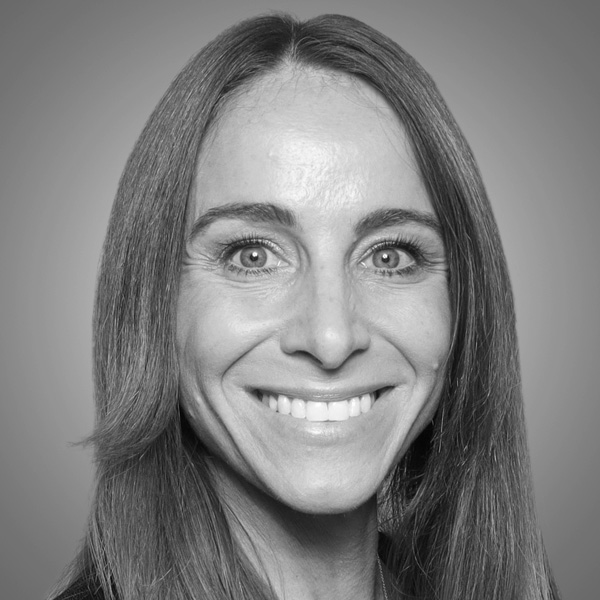
Jenica Patterson
Jenica Patterson, Ph.D., is Senior Director of the Women’s Health Network at the Milken Institute, where she leads a global initiative to accelerate innovation, investment, and cross-sector collaboration in women’s health. She works at the intersection of science, commercialization, and capital, mobilizing leaders across industry, government, philanthropy, and finance to advance scalable solutions and strengthen the ecosystem needed to bring women’s health innovations to market and scale. In this role, Dr. Patterson focuses on unlocking key system barriers to growth, including investment gaps, regulatory and reimbursement pathways, and barriers to access and awareness, helping translate scientific advances into real-world impact at scale.
Prior to joining the Milken Institute, Dr. Patterson served as a Portfolio Lead at the Advanced Research Projects Agency for Health (ARPA-H) within the Office of Commercialization. She led the agency’s first Sprint for Women’s Health, a $113 million initiative to catalyze innovation and accelerate the commercialization of high-impact technologies. She also directed the Small Business Program and Launchpad Accelerator, advancing transition pathways and product readiness across ARPA-H’s portfolio.
Earlier in her career, Dr. Patterson held roles at the Defense Advanced Research Projects Agency (DARPA) and the National Institutes of Health (NIH), where she advanced translational programs spanning therapeutics and diagnostics, including contributions to the Rapid Acceleration of Diagnostics (RADx) initiative. Dr. Patterson earned her Ph.D. in Neuroscience and completed her postdoctoral training within the NIH Intramural Research Program. She is based in Washington, D.C.

Sam Rodriques

Mike Nohaile
Mike Nohaile is the Chief Executive Officer at Prellis Biologics. Prior to this, he was a partner at Flagship Pioneering and Chief Scientific Officer at Generate Biomedicines. Earlier in his career, he served as Senior Vice President of Strategy, Commercialization & Innovation at Amgen. Prior to Amgen, he served as the head and general manager of the Molecular Diagnostics Business Unit at Novartis. Mike began his career at McKinsey & Company as partner in the New Jersey office, where he worked extensively in the healthcare area with a particular focus on diagnostics, devices and pharmaceuticals.
He has a doctorate in molecular and cell biology from University of California, Berkeley, and he was a postdoctoral fellow at MIT in the Department of Biology.

David Mazar
David’s background spans aerospace, defense, advanced air mobility, AI, and autonomous systems. He began his career at The Boeing Company where he held roles across finance, program management, strategy, and business development, supporting major aerospace and defense programs including the C-17 and F-15. He later became one of the founding members of Boeing HorizonX, Boeing’s aerospace innovation and venture group focused on the future of mobility and autonomous aviation.
During his time at HorizonX, David led the development of Boeing’s advanced air mobility strategy and played a key role in the company’s investment and acquisition activity within the sector. He led Boeing’s work surrounding the original acquisition of Cora from Kittyhawk, which later became Wisk Aero, and launched SkyGrid, Boeing’s unmanned traffic management joint venture focused on enabling scalable autonomous airspace operations and next-generation aviation infrastructure.
Following Boeing, David joined SparkCognition, an industrial AI software company, where he led growth in the company’s government business. Over a three-year period, he grew the business from zero to more than $10 million in revenue, supporting adoption of AI-driven solutions across defense, infrastructure, and government markets.
At SiFly Aviation, David has driven strategic partnerships, regulatory engagement, and early commercial traction resulting in hundreds of preorders, LOIs, and pilot programs across public safety, industrial, and defense markets. He has also positioned the company around a core belief that endurance changes how drones are deployed and operated. SiFly’s Q12 platform delivers multi-hour flight times, long-range operations, and meaningful payload capacity in a fully electric VTOL system designed for persistent aerial coverage and scalable autonomous operations. Under the company’s growth, SiFly has accumulated thousands of flight tests and achieved a Guinness World Record for the longest-duration flight of an electric multirotor aircraft.
David earned his MBA from Washington University in St. Louis and played college football at University of Central Missouri, where he earned Academic All-Conference honors. His background across aerospace, defense, AI, autonomy, and advanced air mobility has positioned him at the intersection of several emerging technology markets undergoing large-scale transformation.
Throughout his career, David has focused on guiding organizations through the transition from early-stage technology adoption to scalable operational deployment. His experience spans venture-backed innovation, government and defense markets, strategic partnerships, and commercialization of next-generation autonomous systems. Today, his work is centered on advancing aerial robotics from short-duration tactical tools into scalable airborne infrastructure capable of supporting persistent, real-world operations at regional scale.
Vincent Loncke
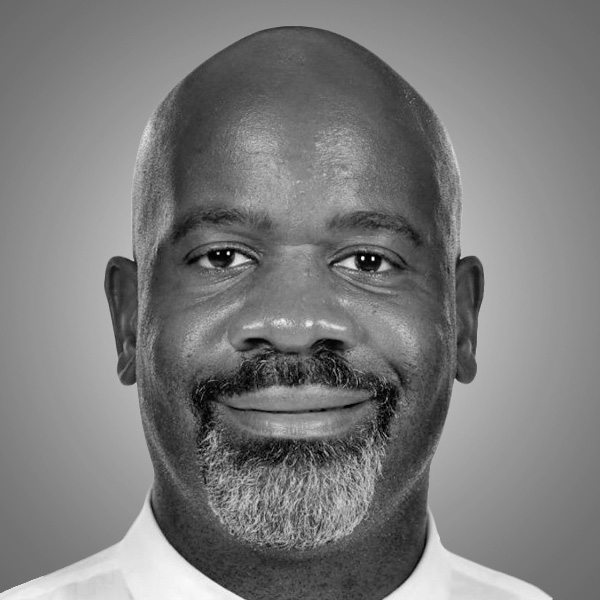
Vincent Loncke is the Founder and CEO of Kenyi Technologies. Vince and the founding team at Kenyi Technologies have a proven track record in developing Edge Infrastructure platforms and HW IP. Vince also specializes in Wireless Modem Architecture and Design with expertise in Wireless L1/L2 Datapath Implementations (CPU, HW, DSP, SW), RAN disaggregation and CPU Architecture and workload analysis.
With 25 years of experience, Vince was most recently responsible for the Architecture and Design of the Qualcomm Dragonwing Compact Macro Infrastructure platform, as well as the Architecture and Design lead of the HW Accelerators in the Qualcomm Dragonwing DU Infrastructure Chipset solution. Additionally, Vince is an expert in Forward Error Correction (FEC) Architecture and Design and has led R&D efforts exploring the leverage of AI in wireless applications. Vince is the holder of over 80 global patents in System Architecture and Design.

Russ Tedrake
Dr. Russ Tedrake is Co-founder and CEO of Walden Robotics. Russ is also the Toyota Professor of Electrical Engineering and Computer Science, Aeronautics and Astronautics, and Mechanical Engineering at MIT.
Russ has won Best Paper Awards from ICML, R:SS, ICRA, CoRL, Humanoids, CVPR, IJRR, WAFR, RAL, HSCC, ISER and the Transactions on Robotics. He is a recipient of the 2024 MIT School of Engineering Distinguished Educator Award, the 2024 MIT EECS Digital Innovation Award, the 2023 MIT Teaching with Digital Technology Award, the 2021 Jamieson Teaching Award, the NSF CAREER Award, the MIT Jerome Saltzer Award for undergraduate teaching, the DARPA Young Faculty Award in Mathematics, the 2012 Ruth and Joel Spira Teaching Award, and was named a Microsoft Research New Faculty Fellow.
Russ was formerly the Senior Vice President of Large Behavior Models at the Toyota Research Institute. He was the leader of Team MIT's entry in the DARPA Robotics Challenge. He is well known for his leadership of the open-source robotics toolkit Drake and for his online courses/textbooks: Underactuated Robotics, and Robotic Manipulation.

Ankur Saxena
Ankur Saxena is an Investment Director at TDK Ventures, where he leads Seed to Series B investments in physical AI, generative AI, and AI infrastructure. He brings over a decade of venture investing experience across the US, Europe, Israel, India, and Japan, with a particular focus on deeptech technologies transforming how machines perceive, compute, and act in the physical world.
Prior to TDK Ventures, Ankur spent nine years at Cisco Investments, leading investments across AI/ML, cloud, IoT, and robotics. He helped shape Cisco’s AI/ML investment thesis early in the category and led several strategic investments and acquisitions. His work spanned more than $150 million in investments and over $3 billion in exits, and in 2023, Global Corporate Venturing named him one of its Top 50 Emerging Leaders.
Ankur holds an MBA from Northwestern University's Kellogg School of Management and a bachelor's degree in Electrical Engineering from the Indian Institute of Technology Kanpur.

Laurie Menoud
Laurie Menoud is a founding partner of At One Ventures, a San Francisco-based VC firm managing over $800 million in assets, with notable LPs including Temasek, WWF, and the MacArthur Foundation. At the firm, she invests in deep tech startups driving forward planet-positive industries. She has been on the board of directors of over a dozen companies and brings 15 years of experience in deep tech commercialization, company building, and venture capital. She spent several years in the chemical industry (Solvay, BASF) and built a dozen ventures from US Defense research programs (SRI International). She began her career in fundamental and applied research as a microbiologist. Laurie earned a Master's degree in biotechnology from the École Supérieure d’Ingénieurs de Luminy in France, focusing on genetic engineering, biochemistry, and microbiology. Additionally, she holds a Master's in Innovation from the EM Lyon Business School in France.

Seth Winterroth
Seth is a Partner at Eclipse, where he backs founders building breakthrough companies redefining the industry. He began his career at GE, developing robotics, 3D printing, and IoT solutions—an experience that shaped his conviction in the transformative power technology can have on the physical world industries. Motivated by the belief that the most impactful companies of this new era were yet to be built, Seth joined Eclipse to help launch and scale businesses at the forefront of the Industrial Evolution.
He focuses on early-stage investments in manufacturing, supply chain, transportation, high performance computing, and healthcare, partnering closely with entrepreneurs from the pre-product stage.
Seth is a proud Claremont McKenna alum. He enjoys skiing, playing golf, and spending time with his wife and daughter.
Shahin Farshchi
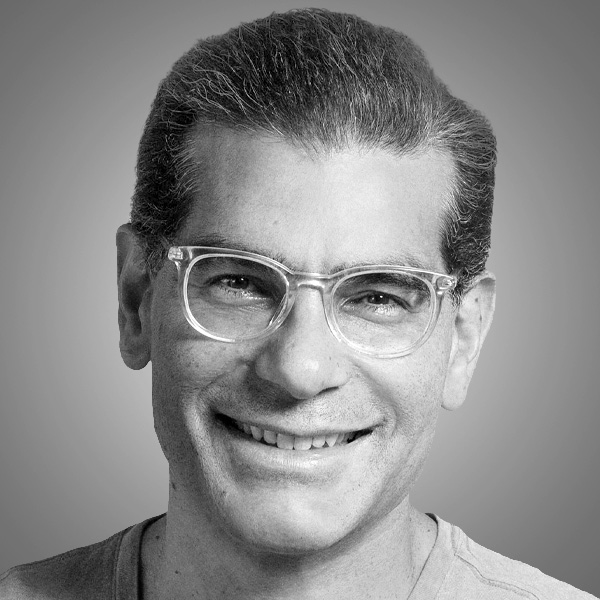
Inspired by Knight Rider and Star Trek, Shahin grew up with a passion to endow superpowers to humanity through feats of engineering. He learned BASIC on an IBM PC XT clone he built at his aunt’s computer store and dialed into Bulletin Board Systems in the 4th grade. A few years later, he was fixing an Alfa Romeo at his uncle’s repair shop. He aspired to design microchips, software, and integrated systems that could one day rival K.I.T.T. or even power warp drives to carry humanity to the far corners of the galaxy.
He is a generalist at Lux, which has $7 billion under management, and has been first investors in category-defining companies across AI, automation, biotech, compute, defense, energy, infrastructure, robotics, and beyond — including Anduril, Applied Intuition, Auris, Chronosphere, Cognition, Eikon, Hugging Face, Impulse Space, Physical Intelligence, Runway, Sakana, and Together. Lux has created and co-founded more than 20 de novo companies through Lux Labs, and multiple Lux investments have become lasting publicly traded companies and major divisions acquired by Amazon, Cisco, Databricks, J&J, Meta, Palo Alto Networks, and more.
For more than two decades, Shahin has partnered with founders building frontier technologies, guided by deep respect for the entrepreneur and the company-building journey. After working at several software startups, he founded his first company in 2004 based on his PhD research designing chips, systems, and software to capture and interpret brain signals. In 2006, he joined Lux at the invitation of its founding team and has since cofounded and led investments in companies spanning AI, semiconductors, autonomy, and aerospace — from early conviction to enduring scale. These include companies that have become publicly traded (NYSE: AEVA; NYSE: PL) and those acquired by Intel (Nervana), Amazon (Zoox), Silicon Labs (Silicon Clocks), and Lattice Semiconductor (SiBeam). An engineer at heart, Shahin works alongside founders as a long-term partner, connecting them with the resources, talent, and relationships towards building generational companies. Shahin has two young daughters and enjoys flying small aircraft.

Dr. Jocelyn Wessels
Rajesh Swaminathan
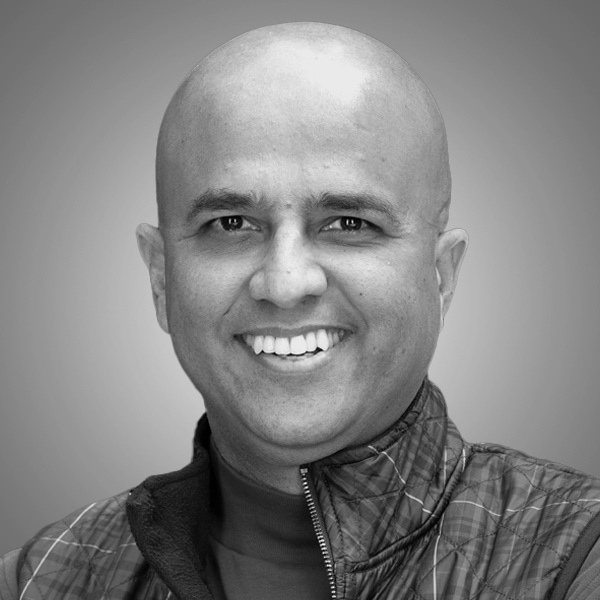
Previously, Rajesh was the head of Applied Ventures LLC, the venture capital arm of Applied Materials, where he managed a portfolio of 85 deep-tech startups globally, as well as two deep-tech funds in Korea and Taiwan. He led investments and helped build companies, many of which had strong exits, including Enphase Energy, Solid Energy, Rockley, Infinite Power Solutions, Adaptive3D, Tango, Inpria and Norsk Ti. Rajesh was recognized amongst the top 100 global CVCs, on the Global Corporate Venture (GCV) Powerlist.
Earlier, he worked at Third Point Ventures and at Lucent’s Bell Labs, where he drove technical assessments and partnerships for several optical, MEMS, and RF device startups, and also led DFR programs for the successful deployment of Lucent’s 10Gb/s and 40Gb/s systems.
While pursuing his MBA at Harvard Business School, he worked on Deutsche Bank’s cleantech banking team, and also worked with KV on companies in solar and water. Previously, Rajesh earned a master of science degree from the University of Maryland and a bachelor’s degree in chemical engineering from the Indian Institute of Technology (IIT) Madras, where he was awarded the Shankar Dayal Sharma (President of India) Medal for overall excellence.
Brendan Collins
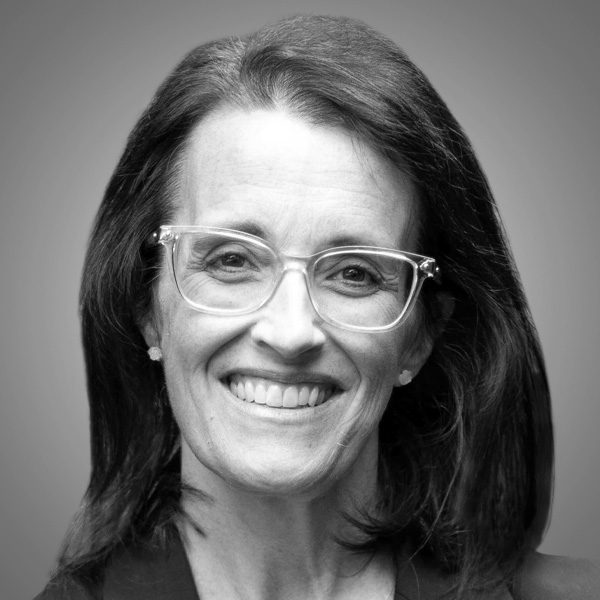
Kelly Sims Gallagher
Kelly Sims Gallagher is the tenth Dean of The Fletcher School, Tufts University. A Professor of Energy and Environmental Policy, she also co-directs the Climate Policy Lab and the Center for International Environment and Resource Policy at Fletcher. The Climate Policy Lab is dedicated to identifying which climate policies work, which don’t, and why in countries around the world, with particular emphasis on major emerging economies including China, India, Ethiopia, South Africa, Indonesia, Mexico, and Brazil.
Gallagher served in the second term of Obama Administration as a Senior Policy Advisor in The White House Office of Science and Technology Policy, and as Senior China Advisor in the Special Envoy for Climate Change office at the U.S. State Department.
Gallagher is a non-resident scholar at the Carnegie Endowment for International Peace. She is a member of the board of the Belfer Center for Science and International Affairs at Harvard University and is a member of the Council on Foreign Relations and the National Committee on U.S.-China Relations.
Broadly, she focuses on U.S.-China relations, green industrialization, climate policy, energy innovation, and low-carbon, resilient models for achieving sustainable prosperity. She is the author of Titans of the Climate (The MIT Press 2018), The Global Diffusion of Clean Energy Technologies: Lessons from China (MIT Press 2014),China Shifts Gears: Automakers, Oil, Pollution, and Development (The MIT Press 2006), and dozens of other articles and book chapters.

Deniz Kent

Damion Shelton
Damion is co-founder and Chairman of Agility Robotics, makers of Digit - the first commercially available bipedal robot made for real-world logistics work - and the first pure-play humanoid robotics company to announce plans for an IPO. He recently joined Carnegie Mellon University as Associate Vice President and Executive Director of the Swartz Center for Entrepreneurship, focused on expanding the opportunities for university faculty and students interested in commercializing their work.
Damion previously served as CEO of Agility Robotics from 2015 to 2024. Prior to co-founding Agility in 2015, he co-founded threeRivers 3D, where he served as CTO and designer of a low-cost, high-volume laser scanner for novice users in the healthcare space until the company's acquisition in 2012. He holds a B.S. in Bioengineering and B.A. in History and Philosophy of Science from the University of Pittsburgh, and a M.S. and Ph.D. in Robotics from Carnegie Mellon University.

Sahan Ranamukhaarachchi

Rob Davies
Rob Davies is the Chief Executive Officer at Sublime Systems, a Boston based next-generation cement technology venture. This appointment follows a year as COO and advisor at Sublime, and a two-year assignment as COO for 6K Energy, a battery materials technology start-up where he laid the foundations for their manufacturing strategy.
This period in the technology start-up community followed a ten-year career at Cabot Corporation where he was most recently the Vice President of Global Manufacturing, responsible for the industrial performance of the network of eighteen Carbon Black plants and chaired the company’s Manufacturing Council. He was previously the Vice President of Global Manufacturing responsible for the network of eight Activated Carbon plants, and a Director of the Cabot Foundation.
Prior to joining Cabot in 2012, as part of the acquisition of Norit Activated Carbon, Rob worked in the cement industry for over twenty years, fulfilling assignments in the UK, South Africa and the US, advancing his career from an entry level process engineer to leading a network of eight UK cement plants, and later a network of eleven US alternative fuels facilities.
During his 35-year career, he has spent time in manufacturing and general management roles, chaired Joint Ventures in the UK, Canada and Mexico, and has led several multi-plant manufacturing networks, including cement, alternative fuels, activated carbon, carbon black and battery materials.
Rob holds a First-Class Honors Master's degree in Mineral Processing Engineering from Imperial College of Science and Technology, London, and earned a Master’s degree in Business Administration from Warwick University, UK.

John O’Donnell

J. Clay Sell
From 2008-2018, Mr. Sell was the president of Hunt Energy Horizons, LLC, the renewable energy subsidiary of Hunt Consolidated, Inc., a multinational energy, real estate, and investment corporation controlled by the Ray L. Hunt family of Dallas. Previously, he held positions for 14 years in the U.S. government, as Deputy Secretary of Energy in the George W. Bush Administration from 2005-2008, as a Special Assistant to the President from 2003-2005, and in senior staff positions in the U.S. Senate and House of Representatives.
Mr. Sell holds a Juris Doctorate from the University of Texas School of Law and a BBA in Accounting from Texas Tech University.
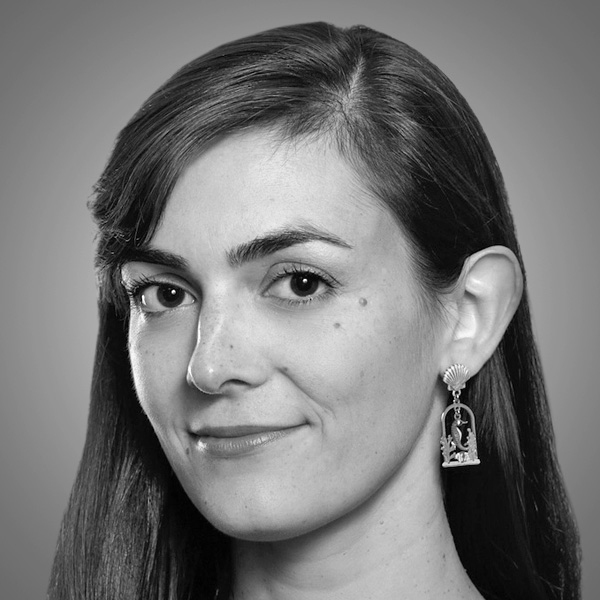
Jessica Hamzelou
Jessica Hamzelou is a senior reporter covering health and biotech at MIT Technology Review. Her specialist areas include aging and longevity, reproductive medicine and IVF, and the brain. She previously spent over a decade in reporting and editing roles at New Scientist magazine.
She is a multi-award-winning journalist and former Knight Science Journalism fellow. She was named British Science Writer of the Year in 2017.
Kim Zou
Jason Pontin

Casey Crownhart

Allison DeAngelis
Allison DeAngelis covers biotech and pharma at Bloomberg. Allison previously worked at STAT, where she was co-host of "The Readout LOUD" podcast, among other publications. Her work focuses on early stage and emerging companies developing new medicines, as well as the investors who finance that work.
Sabriya Stukes

Tim De Chant

Candice Ammori

Brian Heater
Connie Loizos

Eliza Strickland
Kirsten Korosec
Katie Brigham
Katie is a staff writer for Heatmap News covering climate tech. Based out of Seattle, she formerly worked as a reporter and producer for CNBC.com in the network's San Francisco bureau. She has also produced multimedia and written content for The Wall Street Journal, the San Francisco Chronicle, KQED, Semafor, and Latitude Media.

Vijay V. Vaitheeswaran
Vijay Vaitheeswaran is the Philip D. Reed senior fellow and director of the Energy Security and Climate Change program at the Council on Foreign Relations. Previously, he was a senior editor at the Economist and chairman of major Economist summits held on four continents. His editorial responsibilities ranged from business and finance to technology and innovation. He produced numerous cover stories and hosted the Economist’s special podcast on climate change, To a Lesser Degree. He was named the 2025 Writer of the Year by the American Energy Society. He is also the author of three well-received books and an accomplished public speaker. His three books have created a stir, with accolades ranging from lengthy reviews in The New Yorker to shortlisting for the FT/McKinsey Business Book of the Year prize. The Financial Times has declared him to be “a writer to whom it is worth paying attention.”
From 2017 to 2021, he served as the New York-based US Business Editor. He opened the magazine’s first Shanghai bureau in 2012 and served as its China Business Editor until mid-2017. Prior to that, he covered biotechnology, healthcare and global innovation. He also opened the Mexico City bureau, the publication’s first in Latin America.
His opinion pieces have appeared in The Wall Street Journal, The Financial Times, The New York Times and Foreign Policy, and his commentaries on CNBC and Bloomberg. He has addressed groups ranging from the US National Governors’ Association and the UN General Assembly to the TED and Aspen Ideas conferences. He also serves as chairman of sustainability & innovation summits organised by The Economist, held annually in New York, London, Bangkok and Cape Town.
Vijay is a Life Member of the Council on Foreign Relations. He serves as an advisor on innovation to the World Economic Forum/Davos, and has taught at NYU Stern Business School and Northwestern University. Vijay is an alumnus of Harvard Business School and the Massachusetts Institute of Technology.

Alex Wilhelm
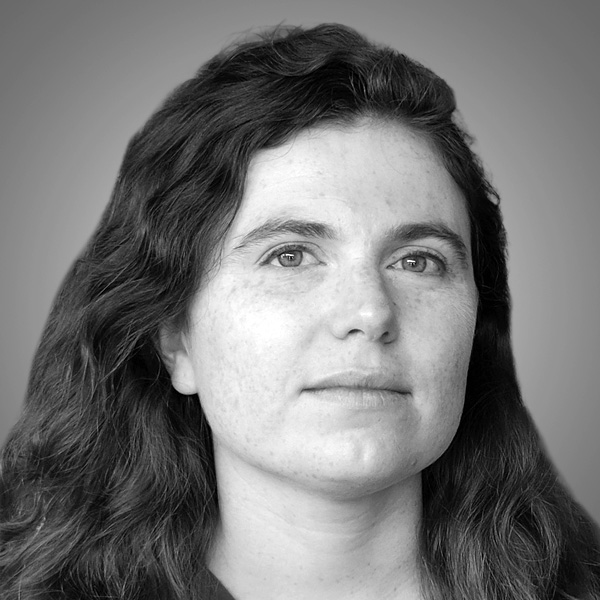
Sierra Brooks
Sierra is a Senior Scientist and Associate at SOSV SF, where she is responsible for sourcing and performing due diligence on new companies, as well as for supporting existing portfolio companies to grow their value.
Sierra completed her BS in Chemical-Biological Engineering at MIT, where she worked in three different research labs to help develop platforms spanning extended-release drug delivery systems, on-demand protein biomanufacturing, and electroreduction of CO2 to fuels. She received her PhD in Chemical Engineering from the University of Texas at Austin. During her PhD, she leveraged advancements at the interface of metabolic engineering, synthetic biology, and materials science to develop Engineered Living Materials with broad applications in distributed biomanufacturing and in situ drug delivery. Motivated to translate cutting edge scientific developments outside of the lab, Sierra also consulted for several biotech and climatetech startups in the Austin area, where she lead efforts in scale up and technology commercialization.
When she’s not deep diving into breakthrough technologies, Sierra spends her time running, playing pickleball, hucking frisbees, exploring new breweries and coffee shops, and getting lost in the enticing aisles of Trader Joe’s.

Po Bronson

Stephen Chambers
Stephen is a General Partner at SOSV and Managing Director of SOSV NY. After mentoring SOSV NY life science startups since 2018, in 2020 Stephen joined SOSV full-time to co-found SOSV NY. Stephen heads the SOSV NY program, has a PhD in Molecular Biology, and has a deep background in entrepreneurship in the pharma industry.
Stephen was one of the founding scientists at Vertex Pharmaceuticals, working on many drug discovery programs including in the FDA approval of Agenerase & Lexiva. He went on to co-found Abpro Therapeutics, employing synthetic biology and immunology to accelerate antibody discovery and development. Recruited as CEO of SynbiCITE, the Innovation and Knowledge Center for Synthetic Biology in the UK, he oversaw a dramatic growth in the synthetic biology innovation ecosystem with a record number of startups and fundraising in this sector. At the same time, Stephen co-founded Bio-start, the UK’s first Life Science accelerator.
Stephen has co-authored over 30 peer-reviewed scientific publications, including publications appearing in Nature and Cell, and has several issued patents. He has been featured in Huffington Post, Upstart, BioScience, and is a regular conference speaker and government advisor on Life Science innovation and entrepreneurship. Recently awarded Royal Society Entrepreneur in Residence at Imperial College London, Stephen is a Member of the Royal Society’s Industrial Fellows College and Fellow of the Royal Society of Biology.
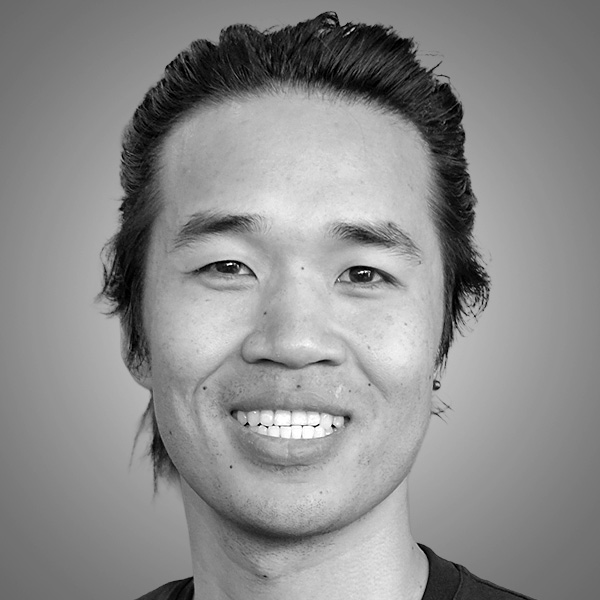
Westley Dang
In addition to his role as a Partner at SOSV SF, Westley is seconded as CEO of SOSV portfolio company General Sense.
Westley is a process-oriented systems thinker who loves tinkering with productivity tools and workflows. He knows every hotkey for every application and thinks ortholinear keyboards are the bomb. Half way through his grad school career, he realized that he was more concerned about the looming threat of climate change. During his PhD, Westley volunteered with the Surfrider Foundation San Diego as co-chair for the Rise Above Plastics committee and an Executive Committee member, where he focused on private and legislative efforts to reduce single-use plastic consumption in San Diego.
Westley is passionate about innovation and has volunteered at a startup accelerator in San Diego, advising startups alongside local business mentors in the area. He did his PhD in neuroscience in the lab of Mark Mayford at The Scripps Research Institute, where they used genetically encoded markers to study neural ensembles thought to be the substrate for learning and memory. His project focused on the impact of aging on the ability to reactivate neurons during memory recall. He did his undergrad at the University of Puget Sound in Tacoma, WA, majoring in biochemistry with a neuroscience emphasis. In his free time he loves to cook, climb, surf, and hug trees.

Mohan S. Iyer
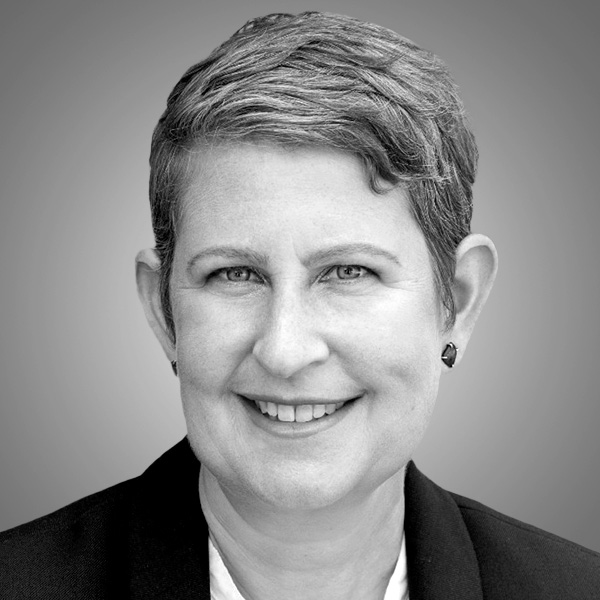
Dr. Susan Schofer
Susan Schofer is a Partner at SOSV and Chief Science Officer at SOSV HAX, the world’s premier venture program accelerating early stage hard tech startups. She works with new startups via early stage investment, defining key milestones and go-to-market strategies, and is responsible for scientific oversight and building capabilities to support portfolio companies.
Prior to joining SOSV, Susan served as SVP Business Development for Modern Meadow and a member of the executive leadership team for over 7 years, developing new sustainable materials inspired by leather without any animals, where she led product, partnership, and go-to-market strategy and execution from early ideation through to commercialization. Before that, Susan spent 10 years in Silicon Valley working in roles spanning R&D, product development, product management, and business development for Amyris, a pioneer in synthetic biology, and Symyx Technologies, utilizing proprietary high-throughput robotic workflows to accelerate polymer and material discovery and development. Susan also worked as an analyst for management consulting company Mitchell Madison Group. Her passion is working closely with scientific and technical innovation to craft product and business strategy and partnering with founders and the broader ecosystem to implement and commercialize solutions to make a positive impact on people and planet.
Susan was an NSF Postdoctoral Fellow at Stockholm and Uppsala Universities, where she worked to develop catalyst systems for artificial photosynthesis. She holds a Ph.D. in chemistry from Caltech and an Sc.B. in chemistry from Brown.
Dr. Pae Wu

Duncan Turner
Duncan is a General Partner at SOSV and the Global Managing Director of SOSV HAX, the world’s first and largest VC-backed program for hard tech. He has invested in over 100 hard tech companies and serves on multiple boards in the climate, industrial and healthcare sectors.
Duncan has an extensive entrepreneurial background and deep experience fundraising and growing businesses across the globe. He has taken numerous technologies to market in various industries. Before joining SOSV, he led design and engineering strategy projects for Fortune 500 companies at the global innovation firm IDEO.
Duncan obtained his Master’s from the Royal College of Art & Imperial College. His design and engineering work has won multiple awards and is included in the permanent collection at The Museum of Modern Art. He has a deep passion for new technologies and engineering breakthroughs that can benefit our planet.
